
Coffee is more than just a morning beverage—it’s an experience. Every cup starts with a coffee bean, and the type of bean used plays a significant role in determining the flavor, aroma, caffeine content, and overall quality of your coffee. Whether you’re a coffee enthusiast or just beginning your coffee journey, understanding the different types of coffee beans will help you make better choices.
What Are Coffee Beans?
Coffee beans are actually the seeds of coffee cherries grown on coffee plants. After harvesting, the cherries are processed, dried, roasted, and ground to create the coffee we enjoy every day. Although there are over 120 species of coffee plants, only a few are commercially cultivated.
The four main types of coffee beans are Arabica, Robusta, Liberica, and Excelsa.
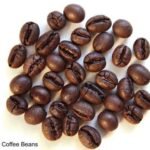
1. Arabica Coffee Beans
Arabica is the most popular coffee bean in the world, accounting for approximately 60–70% of global coffee production. It is grown primarily in high-altitude regions with cool climates, such as Brazil, Colombia, Ethiopia, and Costa Rica.
Flavor Profile
- Smooth and sweet
- Notes of chocolate, caramel, fruits, and berries
- Mild acidity
- Light to medium body
Caffeine Content
Arabica contains around 1.2–1.5% caffeine, making it lower in caffeine than Robusta.
Best For
- Espresso
- Pour-over coffee
- Cold brew
- Specialty coffee
Advantages
- Rich and complex flavors
- Pleasant aroma
- Premium quality
Disadvantages
- More expensive
- Delicate plants susceptible to pests and diseases
2. Robusta Coffee Beans
Robusta is the second most common coffee bean, making up around 30–40% of the world’s coffee production. It grows well in warmer climates and lower altitudes, mainly in Vietnam, Indonesia, India, and parts of Africa.
Flavor Profile
- Strong and bold
- Earthy
- Nutty
- Slight bitterness
- Woody finish
Caffeine Content
Robusta contains 2.2–2.7% caffeine, nearly twice that of Arabica.
Best For
- Espresso blends
- Instant coffee
- Strong black coffee
- Milk-based beverages
Advantages
- Higher caffeine
- Strong crema for espresso
- Disease-resistant plants
- More affordable
Disadvantages
- Bitter taste
- Less complex flavor profile
3. Liberica Coffee Beans
Liberica coffee is rare and accounts for less than 2% of global coffee production. It is mainly cultivated in the Philippines, Malaysia, and parts of West Africa.
Flavor Profile
- Floral aroma
- Smoky notes
- Fruity taste
- Woody finish
- Full-bodied
Caffeine Content
Liberica has a moderate caffeine level, generally between Arabica and Robusta.
Best For
- Specialty coffee lovers
- Unique brewing experiences
- Coffee tasting sessions
Advantages
- Distinctive aroma
- Rare and exclusive
- Rich, bold character
Disadvantages
- Limited availability
- Unusual taste that may not appeal to everyone
4. Excelsa Coffee Beans
Excelsa is technically a variety of Liberica but is commonly recognized separately because of its unique flavor characteristics. It is mainly grown in Southeast Asia.
Flavor Profile
- Tart and fruity
- Dark berry notes
- Complex acidity
- Sweet finish
Caffeine Content
Excelsa contains a moderate amount of caffeine.
Best For
- Coffee blends
- Specialty roasts
- Creative brewing methods
Advantages
- Adds complexity to blends
- Unique fruity flavors
- Memorable aftertaste
Disadvantages
- Difficult to find
- Rarely sold as a single-origin coffee
Arabica vs Robusta: Which Is Better?
| Feature | Arabica | Robusta |
|---|---|---|
| Taste | Smooth & Sweet | Strong & Bitter |
| Caffeine | Low | High |
| Acidity | High | Low |
| Price | Premium | Affordable |
| Aroma | Rich & Floral | Earthy |
| Popularity | Very High | High |
If you enjoy smooth, flavorful coffee, Arabica is an excellent choice. If you prefer a stronger, more intense cup with extra caffeine, Robusta may suit your taste better.
Factors That Affect Coffee Bean Flavor
The taste of coffee depends on more than just the bean type. Several factors influence the final cup:
- Growing altitude
- Climate
- Soil quality
- Processing method
- Roast level
- Brewing technique
- Freshness of the beans
Even the same type of coffee bean can taste different depending on where and how it is grown.
Choosing the Right Coffee Bean
Choose Arabica if you:
- Prefer smooth and balanced flavors
- Enjoy specialty coffee
- Like fruity and floral notes
Choose Robusta if you:
- Need a caffeine boost
- Enjoy bold coffee
- Make espresso or milk-based drinks
Choose Liberica if you:
- Love experimenting with rare coffees
- Enjoy smoky and floral flavors
Choose Excelsa if you:
- Like complex fruity notes
- Want something different from traditional coffee
Tips for Buying Coffee Beans
- Buy whole beans instead of pre-ground coffee.
- Check the roast date rather than the expiration date.
- Store beans in an airtight container away from light and moisture.
- Grind only the amount you need before brewing.
- Purchase from trusted local roasters whenever possible.
Final Thoughts
Every coffee bean tells a different story. Arabica offers elegance and sweetness, Robusta delivers strength and caffeine, Liberica brings bold floral uniqueness, and Excelsa surprises with fruity complexity. Exploring these varieties can transform your coffee experience and help you discover your perfect cup.
Whether you’re brewing at home or ordering at your favorite café, understanding coffee bean types allows you to appreciate the craftsmanship behind every sip. So, the next time you buy coffee, don’t just choose a brand—choose the bean that matches your taste preferences and brewing style.